Exploring the Benefits of Body Contouring Farmington Hills Near You
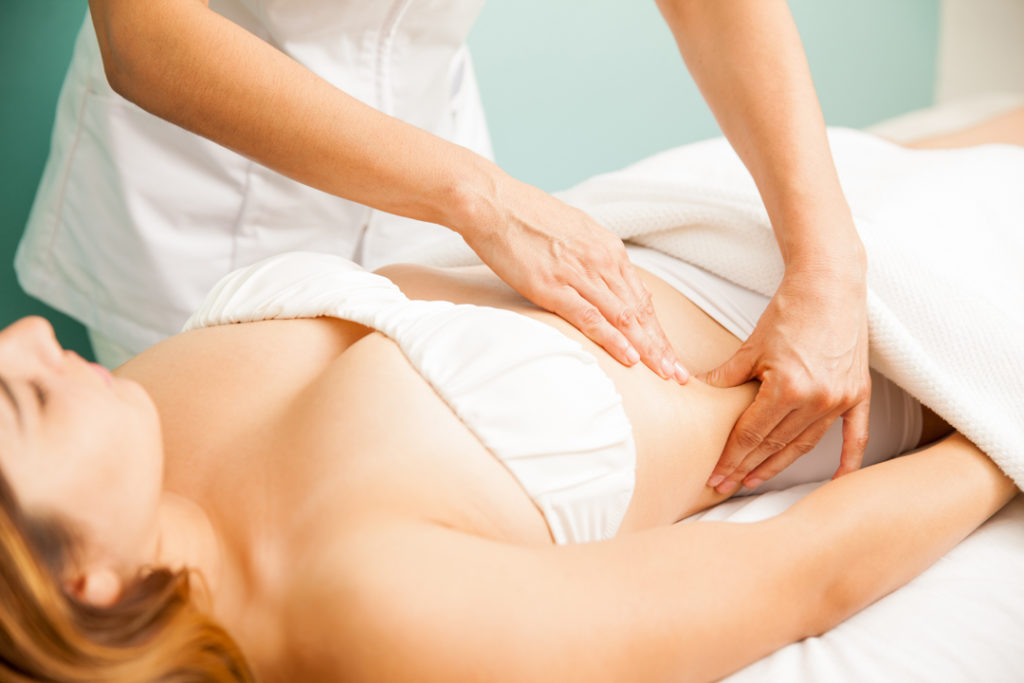
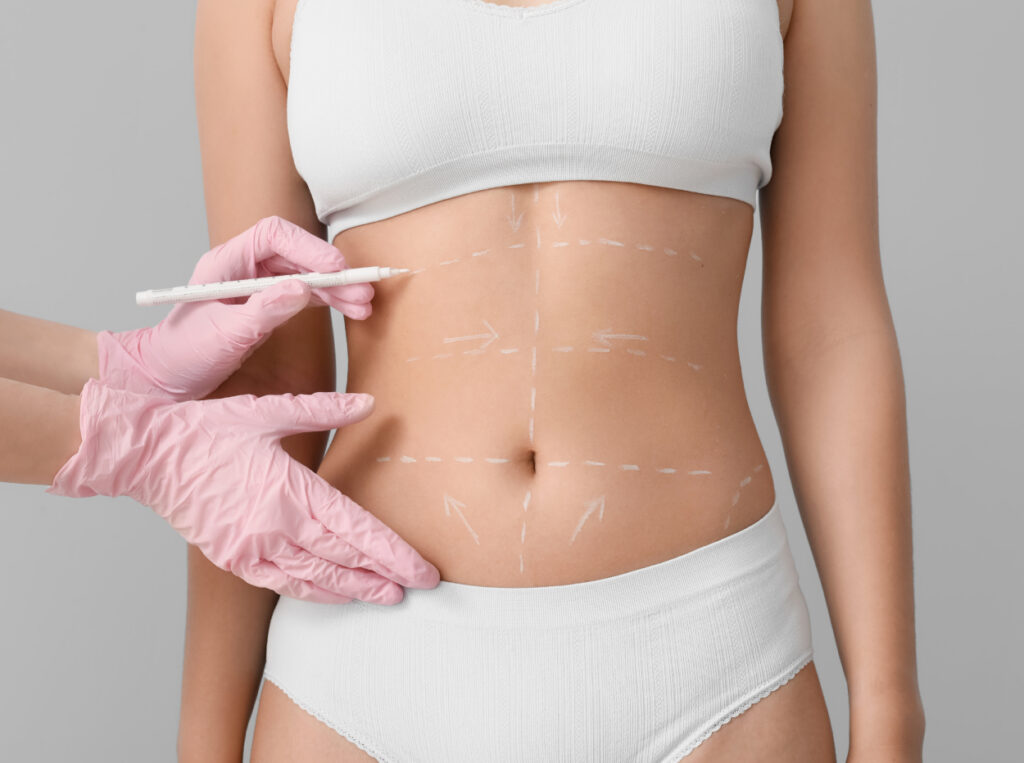
Body contouring has moved out of the celebrity-only category and into everyday aesthetic care. In a place like Farmington Hills, where many people juggle work, family, social commitments, and fitness goals, that shift matters. Patients are not always looking for dramatic change. More often, they want refinement. They want their clothes to fit better, their waistline to look smoother, or the areas that have resisted diet and exercise to look more proportional.
That is where body contouring enters the conversation. The appeal is easy to understand. Traditional weight loss changes the body as a whole, but it does not let you choose where inches come off first. Anyone who has spent months eating carefully and training consistently knows the frustration of seeing progress in one area while another spot seems untouched. Lower abdomen, flanks, upper arms, under the chin, outer thighs, and above-the-knee fullness are common examples.
When people search for Body Contouring Farmington Hills services, they are often trying to solve a specific aesthetic problem, not chase a vague ideal. They may be close to their goal weight. They may already live a healthy lifestyle. They may simply want help with contour, shape, and definition in places where the body can be stubborn.
The most useful way to approach the subject is with realism. Body contouring can be effective, but it is not magic. It works best when expectations are clear, the technology matches the concern, and the provider knows how to evaluate anatomy instead of selling a one-size-fits-all package.
What body contouring actually means
The phrase "body contouring" gets used broadly, and that can confuse people. In everyday practice, it usually refers to treatments designed to reduce localized fat, improve skin tightness, build or define muscle appearance, or address a combination of those issues. Some treatments are non-surgical. Some are minimally invasive. Some require almost no downtime, while others involve a recovery period.
A person may come in saying, "I want to lose belly fat," when the real issue is more nuanced. Sometimes the concern is pinchable fat. Sometimes it is skin laxity after weight loss or pregnancy. Sometimes it is weakened abdominal tone. Sometimes it is bloating, posture, or even how clothing cuts across the https://connerkbrw816.quantlynix.com/posts/body-contouring-farmington-hills-and-the-rise-of-personalized-care body. A careful assessment matters because the wrong treatment, even if well performed, can produce disappointing results.
That is one reason local access is valuable. When you choose a provider near you in Farmington Hills, you are more likely to attend an in-person consultation, ask better questions, return for follow-up photography, and stick with a staged treatment plan if one is recommended. Contouring is often a process rather than a single event.
Why local care makes a difference
Convenience may sound like a minor benefit, but in aesthetic medicine it influences outcomes more than people expect. A patient who has to drive a long distance is more likely to postpone appointments, skip follow-ups, or rush through a consultation. That can lead to poor treatment timing, weak aftercare, or unrealistic assumptions about when results should appear.
Choosing a Body Contouring Farmington Hills provider means you can build care into your routine. That matters because some modalities work over several weeks or months. Swelling has to settle. The body needs time to respond. Progress photos are useful. Sometimes a second session is appropriate, sometimes not. Being nearby makes it easier to stay engaged with the process rather than treating it like a one-time retail purchase.
There is also a practical comfort factor. Body contouring is personal. Even confident patients can feel vulnerable discussing waistlines, post-pregnancy changes, loose skin, or fat distribution that bothers them. A nearby practice often feels more approachable. When the office is part of your community, the experience can feel less transactional and more grounded.
The most common reasons people seek treatment
People rarely walk into a consultation because they want a generic "better body." Their concerns are usually specific and surprisingly consistent. A woman in her forties may be bothered by fullness in the lower abdomen despite a disciplined exercise routine. A man who has lost twenty or thirty pounds may want more definition around the flanks. A new mother may feel that even after returning to a healthy weight, her midsection looks different than it did before pregnancy. Someone entering a major life event, such as a wedding, reunion, or career transition, may want to feel more polished in fitted clothing.
The emotional layer should not be ignored. The strongest candidates are usually not seeking perfection. They are seeking alignment. They want their appearance to better reflect the effort they already put into caring for themselves. That distinction matters. When body contouring is used to refine, not rescue, satisfaction tends to be higher.
A clearer picture of the benefits
One of the biggest benefits of body contouring is precision. General weight loss is important for health, but aesthetic frustration often lives in the details. Two people can weigh the same and wear the same clothing size, yet feel very differently about their silhouette because of where they hold fat or how their skin sits over underlying tissue.
With the right treatment plan, contouring can improve proportion. That often translates into a smoother waistline, more balanced hips and thighs, less fullness under clothing, and a more athletic look in the abdomen or arms. The result is not just visual. Many patients describe a practical shift. Pants button more comfortably. Dresses skim instead of cling. They stop constantly adjusting shapewear.
There is also the psychological benefit of traction. I have seen people become more consistent with healthy habits after contouring, not because a treatment replaced discipline, but because visible change motivated them to maintain it. That can be a legitimate advantage as long as the patient understands that treatment supports lifestyle, it does not substitute for it.
For some, another benefit is avoiding surgery. Surgical body procedures have an important place, especially when skin excess is significant, but not everyone needs or wants that route. Non-surgical and minimally invasive options appeal to people who want improvement without anesthesia, scars, or a long recovery. That does not make them minor treatments. It simply means the risk, downtime, and degree of change often differ from surgery.
Not all concerns are fat, and that changes everything
A common mistake in aesthetic consultations is assuming that every bulge is fat and every contour issue should be treated by fat reduction. In reality, body shape is influenced by several factors at once. Skin quality plays a major role. So does muscle tone. So does the way connective tissue changes with age, pregnancy, and weight fluctuation.
This is why two patients with similar-looking abdomens may need entirely different recommendations. One may benefit from targeted fat reduction. Another may need skin tightening. Another may see the best improvement from strengthening the abdominal wall or pursuing medical evaluation if there is significant muscle separation after pregnancy. A good provider in Farmington Hills should be able to explain that difference clearly.
This is also why before-and-after galleries should be viewed carefully. The strongest practices do not present every body issue as solvable by a single machine. They talk about candidacy, limitations, and likely timelines. That honesty is not a drawback. It is usually a sign that you are in the right office.
Who tends to be a strong candidate
Ideal candidates are usually fairly close to a stable, maintainable weight. They are not relying on contouring to solve obesity or replace medical weight management. They have one or more localized areas that have not responded the way they hoped, despite reasonable effort.
Here are a few signs that someone may be a good fit:
- They are near their goal weight and have maintained it for a while.
- Their concern is localized fat, mild to moderate laxity, or definition, not major weight loss.
- They understand results may develop gradually over weeks or months.
- They are willing to follow aftercare instructions and attend follow-up visits.
- They want improvement and proportion, not perfection.
The opposite is worth mentioning too. People who are actively gaining or losing significant weight, or who expect a treatment to transform their entire body, are often better served by stepping back and recalibrating first. Likewise, someone with severe loose skin after substantial weight loss may need a surgical discussion rather than a non-surgical promise.
The consultation is where good outcomes begin
The consultation should feel less like a sales presentation and more like a strategic assessment. If you are exploring Body Contouring Farmington Hills options, pay attention to how the provider evaluates you. Do they ask about weight stability, medical history, and previous procedures? Do they examine the area standing up and discuss skin quality, not just fat volume? Do they explain how the chosen treatment works in plain language? Those details matter.
In the best consultations, you leave with a realistic timeline. Some body contouring results become visible gradually as the body processes treated fat cells or as collagen remodeling occurs. Other treatments require a series. If someone implies you will look dramatically different in a few days from a treatment that biologically takes weeks to show change, that is a red flag.
It is also reasonable to ask direct questions. A thoughtful practice should welcome them.
- Which concern are you treating here: fat, skin laxity, muscle tone, or a combination?
- How many sessions do patients like me usually need?
- When do people typically start noticing changes?
- What side effects or downtime should I realistically expect?
- What would make you say I am not a good candidate?
Those questions often reveal more than a glossy brochure ever will.
The value of personalized treatment planning
No experienced aesthetic provider treats every abdomen the same way. One person may have enough localized fullness to respond well to a targeted fat reduction approach. Another may have only a small amount of fat but loose skin that softens the contour. Someone else may already be lean and simply want more visible muscular definition. The difference seems obvious when you say it out loud, yet many patients come in assuming that one category of treatment can address all three.
Personalization also includes pacing. Sometimes the best outcomes come from spacing treatments rather than stacking everything at once. A provider may want to see how the body responds after the first session before recommending a second. In other cases, pairing modalities thoughtfully can make sense. The key word is thoughtfully. Layering treatments should be based on anatomy and timing, not on how many services can be sold in one appointment cycle.
What results usually feel like in real life
Aesthetic medicine often talks about results visually, but daily life is where people actually judge them. Patients usually describe success in plain terms. Their jeans sit better at the waist. The roll they saw when sitting feels reduced. Their upper arms look smoother in sleeveless tops. Their side profile in photos feels more balanced. These are modest-sounding changes, yet they are exactly the changes many people want.
It is also common for the improvement to look more natural than outsiders expect. Friends may say you look fitter, healthier, or more toned without identifying why. For many patients, that is the ideal. They are not trying to look "done." They want a body shape that looks believable and proportionate.
At the same time, it is wise to avoid overreading early changes. Swelling, fluid shifts, and lighting can distort perception. This is another advantage of seeing a local provider. Standardized follow-up photos taken in the same lighting and posture are often more informative than daily mirror checks.
The trade-offs people should understand
Every body contouring option involves trade-offs. Non-surgical treatments tend to have less downtime, but they may also produce subtler change than surgery. Some patients are thrilled with that balance. Others later realize they wanted a bigger transformation and would have preferred a surgical consult from the start.
Comfort during treatment varies as well. Some modalities feel cold, some warm, some intense, some merely strange. Temporary numbness, swelling, tenderness, and bruising are not unusual depending on the method used. Most of these effects are manageable, but they should be discussed honestly.
Cost is another important factor. Body contouring is usually elective, which means insurance generally does not cover it. Pricing can vary based on the area treated, the number of sessions, the technology used, and the expertise of the provider. The cheapest option is not always the best value. If treatment is poorly indicated or poorly performed, even a discount can be expensive in the long run.
There is also the maintenance question. Fat cells treated in a localized area may be reduced, but the body can still change with weight gain, aging, hormones, and lifestyle shifts. The patients who stay happiest long term tend to see contouring as part of a broader self-care plan rather than a permanent exemption from biology.
How to judge a practice in Farmington Hills
When people compare providers, they often focus first on branding, office aesthetics, or promotional offers. Those things are secondary. More important is whether the practice demonstrates sound judgment. That means clear candidacy standards, transparent discussion of limitations, and a treatment plan that matches your actual anatomy.
Look for specificity. If a provider can explain why your concern is primarily lower abdominal adiposity versus lax skin, or why the flanks may respond differently than the front abdomen, that is a good sign. Experience usually shows up in those nuances. It also shows up in restraint. A competent provider knows when not to treat, or when to refer out, and that can protect both your results and your money.
Patient experience matters too. A good office should be responsive without being pushy. Follow-up should feel available, not inconvenient. If you are investing in Body Contouring Farmington Hills care, the quality of communication before and after treatment is part of the value.
The local advantage for long-term satisfaction
There is something underrated about receiving aesthetic care close to home. Beyond convenience, it creates continuity. If your results are good and you want maintenance later, you already have an established relationship. If you have questions mid-recovery, you know where to turn. If your goals change, perhaps after weight loss, pregnancy, or a shift in fitness level, you can revisit the plan with someone who already knows your baseline.
That continuity tends to produce better judgment over time. Bodies are dynamic. The right approach at age thirty-five may not be the right approach at forty-five. Someone who once needed fat reduction may later care more about skin firmness. Someone who prioritized the abdomen may decide the next concern is arms or submental fullness. Local care supports that evolving conversation.
A sensible way to think about your next step
If body contouring interests you, the smartest starting point is not a flash sale or a dramatic before-and-after post. It is a careful consultation with a reputable local provider who can tell you what is actually going on in the area you want to improve. If you hear a balanced explanation of options, limitations, expected timing, and whether you are even a strong candidate, you are far more likely to make a choice you feel good about months later.
For people exploring Body Contouring Farmington Hills options, the real benefit is not just access to treatment. It is access to tailored, ongoing care close enough to fit real life. And real life is where body contouring either proves its value or does not. When expectations are grounded, anatomy is assessed well, and the plan matches the person, the payoff can be substantial: better proportion, better clothing fit, and a stronger sense that the mirror finally reflects the work you have already been putting in.
Aesthetic Plastic Surgery & Laser Center, Michelle Hardaway M.D.
Address: 27920 Orchard Lake Rd, Farmington Hills, MI 48334
Phone number: +12482211957
FAQ About Body Contouring Farmington Hills
What does body contouring actually do?
Body contouring (or body sculpting) eliminates stubborn localized fat, tightens loose, sagging skin, and reshapes your silhouette. It is not a weight-loss tool, but rather a cosmetic procedure used to refine and tone specific trouble spots after major weight loss, pregnancy, or aging.
How much does body contouring usually cost?
The total cost of body contouring usually ranges from $2,000 to $25,000+ depending entirely on whether you choose non-surgical sessions or major surgical procedures.
Because "body contouring" covers everything from simple fat-freezing to comprehensive post-weight-loss surgeries, pricing is heavily categorized by the method used.
What is the best type of body contouring?
Liposuction is a huge topic and worth discussing in more detail, but in terms of body contouring and sculpting, nothing does the job better than liposuction, particularly VASER liposuction.